Pet Dentistry
Pet Dental Care in Seattle for A Healthier Pet
Dental health shapes your pet’s comfort and overall wellbeing more than almost any other area of care. At Thistle Veterinary Clinic in Seattle, a short walk from South Lake Union, we treat the mouth as a window into your pet’s whole-body health. Thoughtful veterinary dentistry can spare your dog or cat physical pain and even help protect the heart, liver, and kidneys. For a part of care that is so sometimes overlooked, the payoff in comfort and health is remarkably large.
FAQs about Pet Dentistry
Why Does My Pet Need Professional Dental Care?
Your pet needs professional care because most dental disease develops below the gumline, where brushing alone cannot reach. By the age of three, the majority of dogs and cats already show signs of dental disease, which can be painful and progressive. A professional cleaning removes the tartar and plaque that brushing alone can’t reach and allows us to identify problems before they become painful or more difficult to treat. Since dental health is closely connected to overall health, routine dental care is one of the most effective ways to improve your pet’s longevity.
What Are the Signs of Dental Disease in Dogs and Cats?
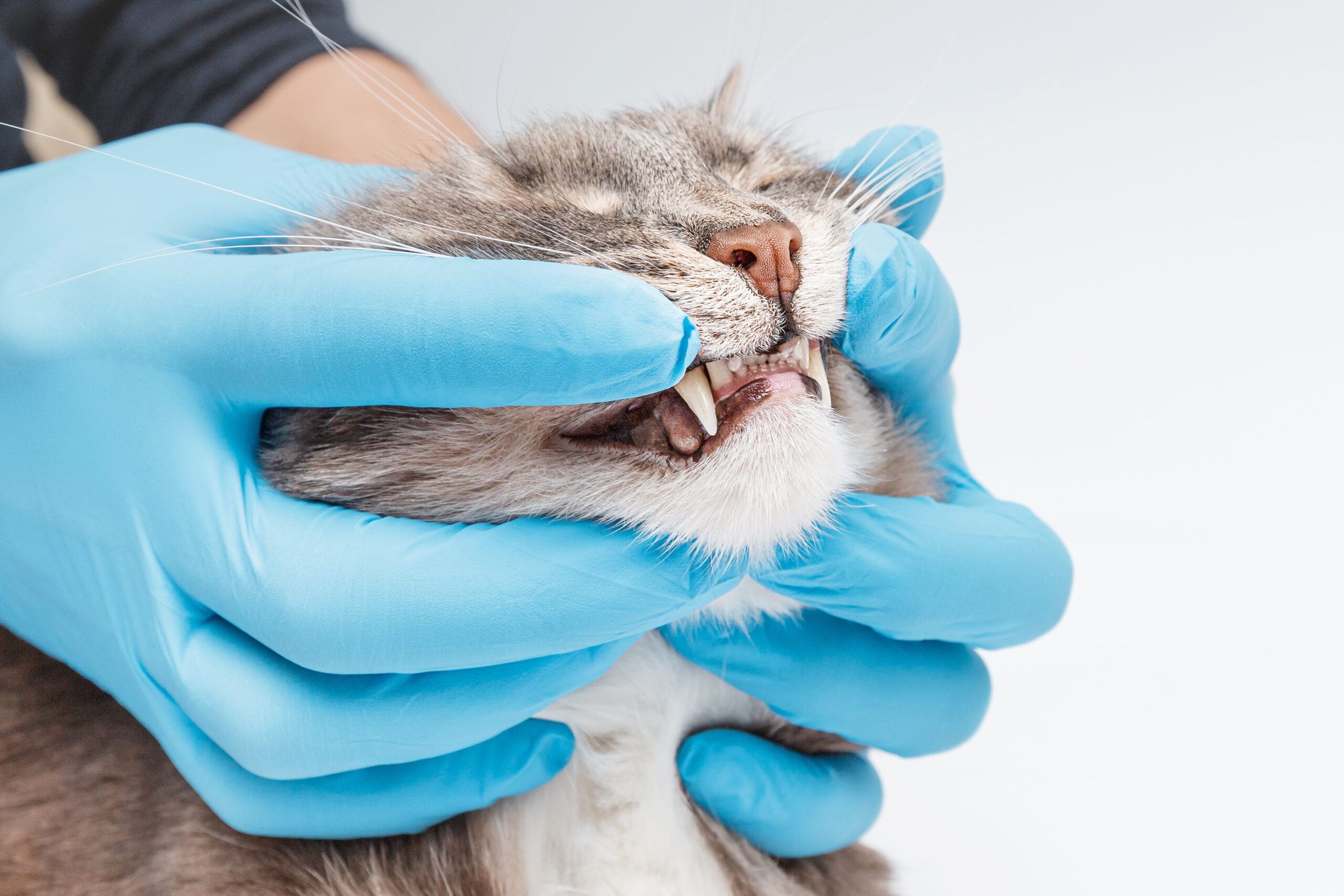
The most common signs are bad breath, yellow or brown buildup on the teeth, red or bleeding gums, and reluctance to chew. Pets instinctively hide oral pain, and many owners do not realize there is a problem until significant disease develops. A quick pet dental exam during any wellness visit can catch these signs early, often before your pet shows any discomfort. Common warning signs include:
- Persistent bad breath
- Discolored teeth or visible tartar
- Red, swollen, or bleeding gums
- Dropping food, chewing on one side, or pawing at the mouth
Why Is Anesthesia Needed for Cleaning a Pet's Teeth?
Anesthesia is needed because it is the only way to clean below the gumline safely and completely without frightening or hurting your pet. Awake cleanings reach only the visible surface and miss the area where disease can hide. They can be stressful and even dangerous. With modern monitoring and carefully tailored protocols, anesthesia for teeth cleaning for dogs and cats is very safe, and our Fear Free approach keeps the lead-up calm. We run pre-anesthetic screening, monitor closely throughout, and use warming and recovery support to minimize complications throughout the entire process.
What Happens During an Anesthetic Teeth Cleaning?
An anesthetic cleaning involves full-mouth dental radiographs, removing plaque and tartar above and below the gumline, followed by polishing and a full oral assessment. Under anesthesia, we can closely evaluate each tooth and note any abnormalities we find. This kind of thorough dental cleaning simply is not possible on an awake pet. We review anything we find with you afterward, with images to help you understand exactly what your pet needed.
What Are Dental Radiographs and Why Does My Pet Need Them?
Dental radiographs, or x-rays, are images of the whole tooth, including the crown, the roots, and the jawbone. Oftendental disease is invisible to the naked eye, as approximatelysixty percent of the tooth sits below the gumline. Dental radiographs can reveal abscesses, fractures, and bone loss that a visual exam could miss, and turn guesswork into a clear treatment plan.
When Does a Tooth Need to Be Extracted?
There are several causes that necessitates extraction. Severe gum disease, fractures that expose the pulp, and certain resorptive lesions in cats are common reasons. While it is disappointing to learn that your pet needs dental extractions, removing a painful tooth almost always brings immediate relief. In more complex cases, minor oral surgery may be required. Most pets recover smoothly and eat more eagerly once the source of pain is gone.
How Can I Care for My Pet's Teeth at Home?
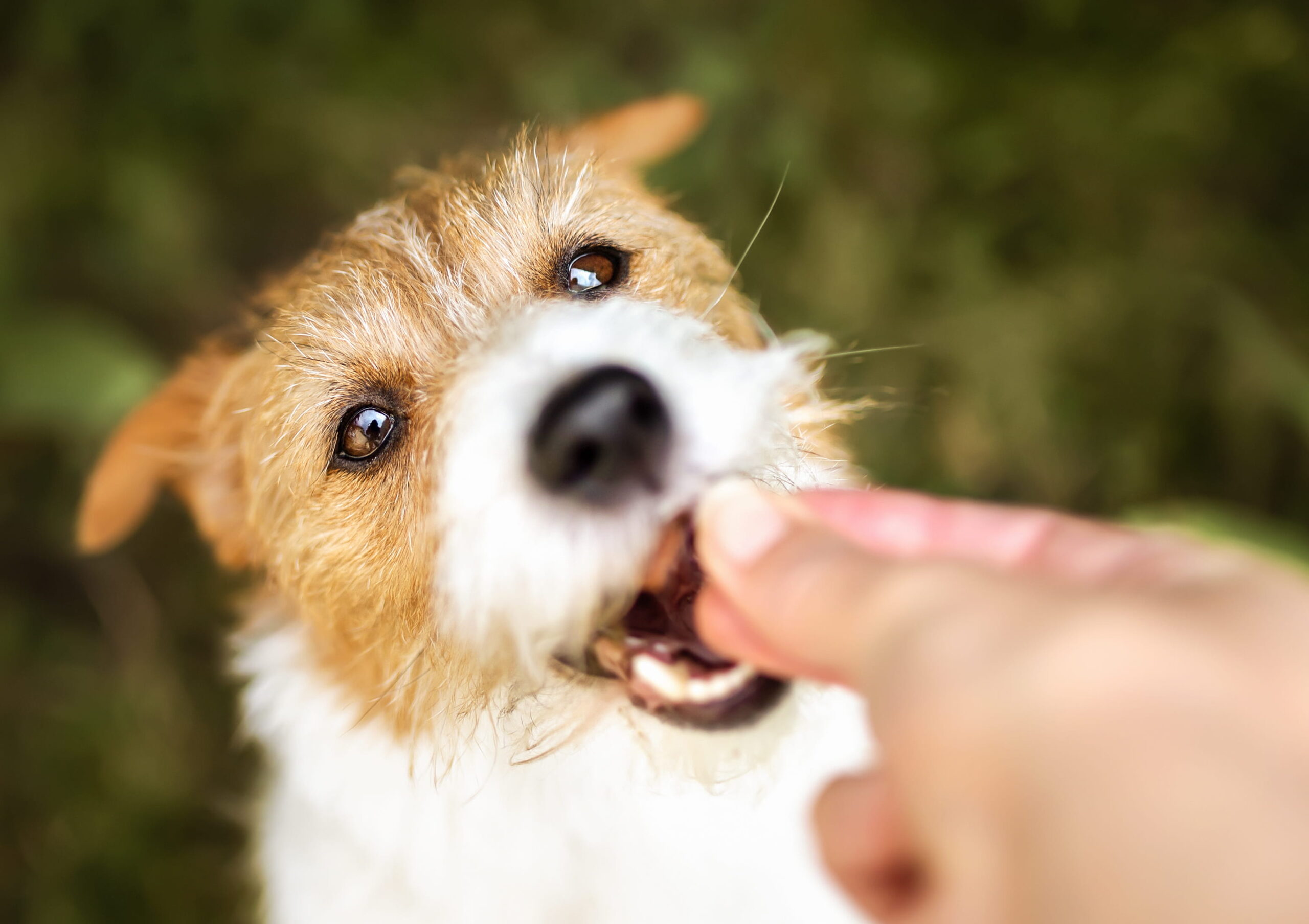
The single best thing you can do at home is brush your pet’s teeth regularly with a pet-safe toothpaste. Daily brushing is ideal, but even a few times a week slows tartar buildup. Dental diets, chews, and water additives help fill the gaps. A consistent at-home dental care routine stretches the time between anesthetic cleanings and keeps your pet more comfortable long term. A simple home plan can look like this:
- Brush with a soft brush and pet-safe toothpaste, never human toothpaste 3-4 times a week.
- Offer veterinary-approved dental chews daily.
- Consider dental diets or water additives
Remember to always start slowly and reward your pet so the routine stays positive.
How Often Should My Pet's Teeth Be Cleaned?
Most pets benefit from an anestheticcleaning about once every 1-2 years,, though the right interval depends on breed, age, and home care. Small breed dogs and flat-faced dogs and cats often need more frequent attention because their teeth crowd together. We recommend dental cleanings based on what we actually see in your pet’s mouth and their previous oral health history, not a fixed schedule. Between visits, we will show you what to look for at home so you can detect any problems early rather than waiting for the next scheduled cleaning.
Is Bad Breath in Pets a Real Concern?
Yes, persistent bad breath is one of the earliest and most reliable warning signs of dental disease. That familiar doggie or kitty breath usually means bacteria and infection are building in the mouth. If your pet’s breath has taken a turn, it is worth having their teeth looked at. Fresh breath is a good sign that the teeth and gums are healthy, and makes those everyday moments with your pet a lot more pleasant.
How Much Does a Dental Cleaning Cost?
The cost depends on your pet’s size, the severity of disease, and whether any extractionsare needed. We always provide an estimate when a dental cleaning is recommended.. Prevention is key, a routine cleaning is far less costly than treating advanced disease later. Some pet insurance and wellness plans contribute toward dental procedures, and we will supply the records you need to file a claim. We will always review the estimate with you first, so there are no surprises on the day of the procedure.
Why Choose Thistle Veterinary Clinic for Dental Care
Thistle brings a gentle, thorough approach to a part of care that many pets find stressful. As a Fear Free and Feline Friendly certified veterinarian, Dr. Michelle Guan is especially attentive to keeping anxious animals calm before and after a procedure. Every cleaning includes full radiographs and an honest assessment, so you always know what your pet needs and why.
-
Full-mouth radiographs with every cleaning
-
Fear Free and Feline Friendly certified handling
-
Clear explanations of findings and treatment recommendations.
-
A calm, unhurried environment for nervous pets
Dental work is just one piece of the full range of care we provide for dogs and cats.
Schedule Your Pet’s Dental Visit with Thistle
A healthy mouth one of the kindest things you can give your companion. When you are ready to arrange pet dental care in Seattle, reach out through our contact page ask about getting started. We will help your dog or cat toward a healthier smile.