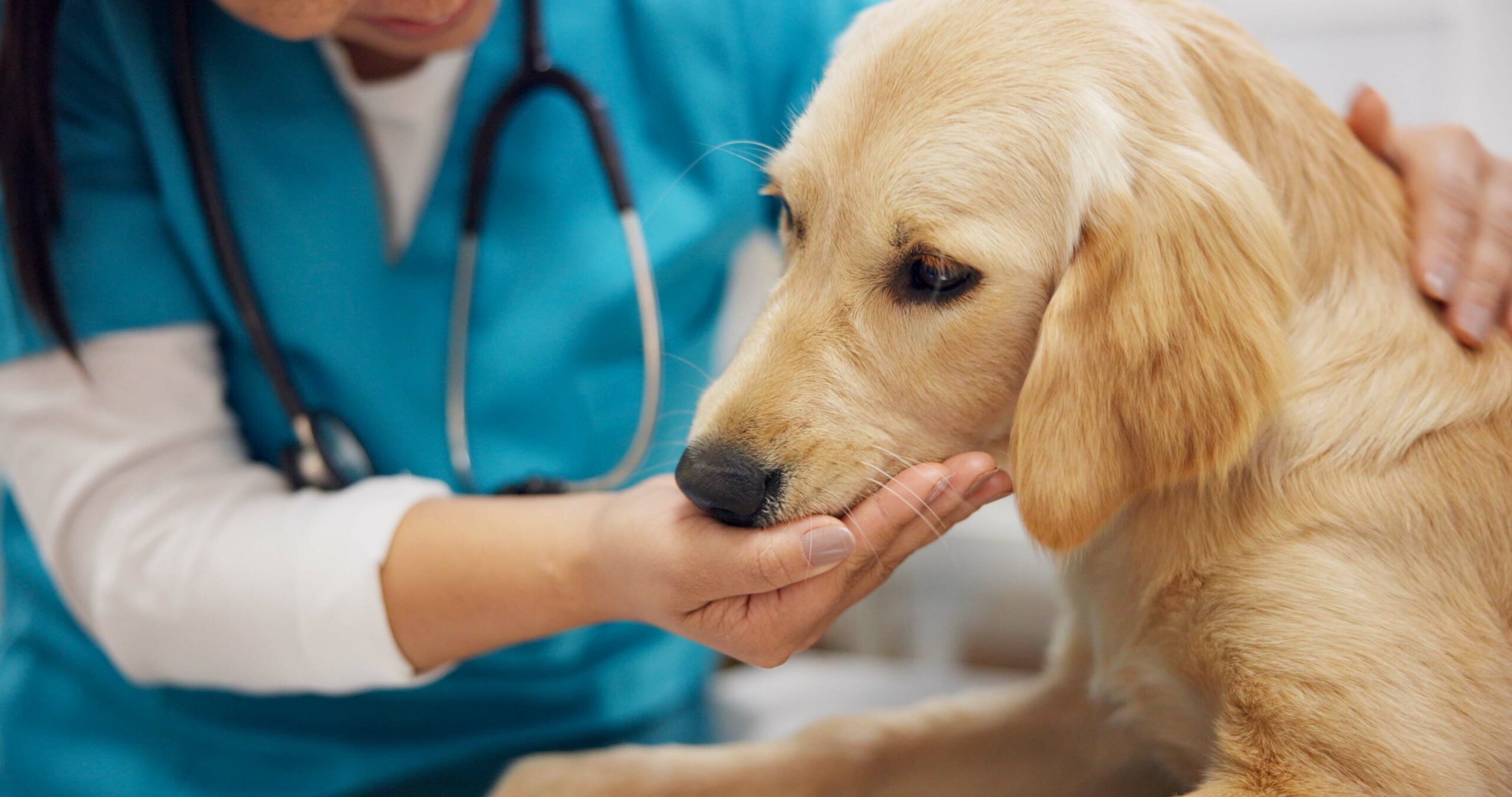
Surgical Services
Pet Surgery in Seattle in Careful, Steady Hands
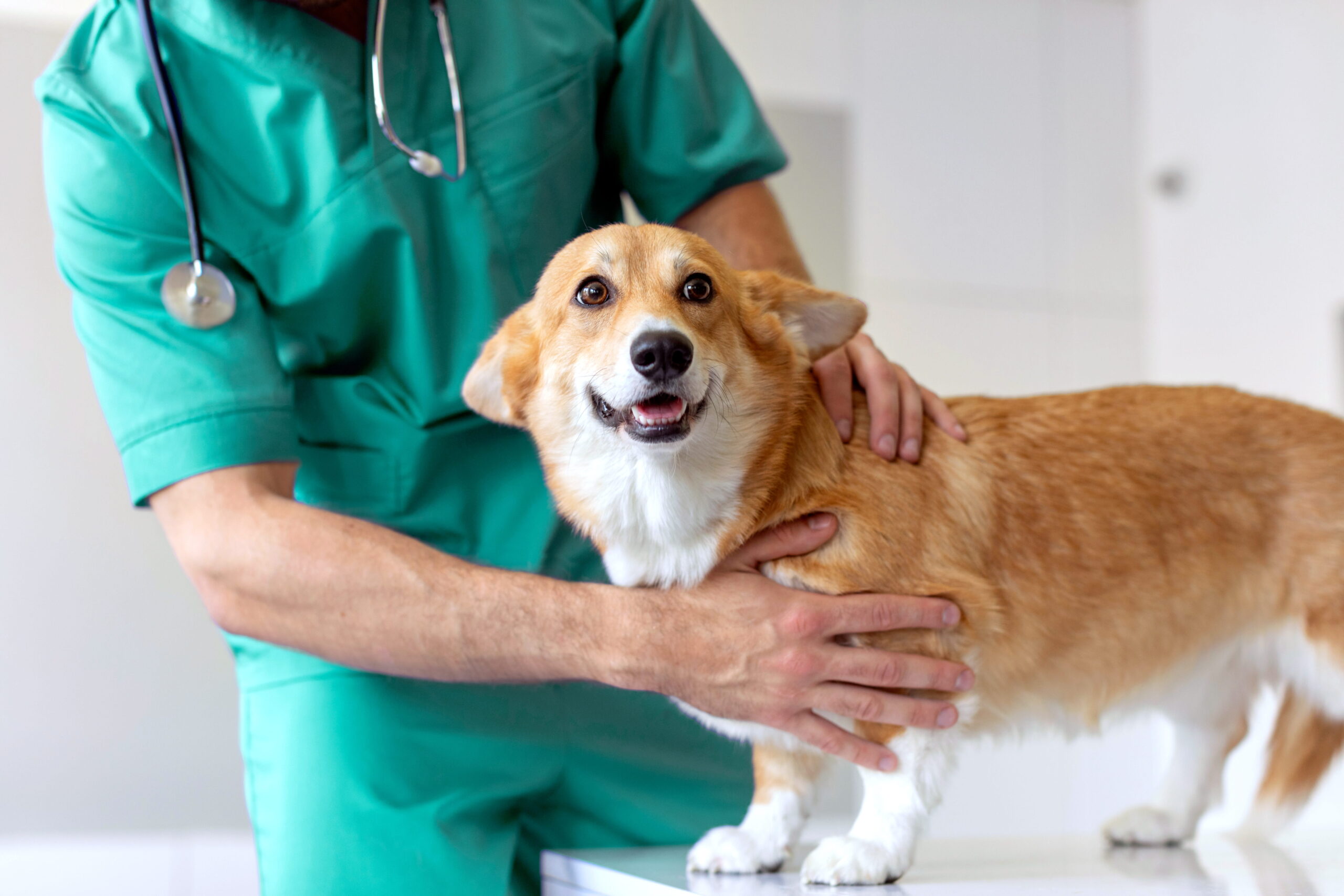
Deciding to schedule surgery for your pet is rarely easy, and the reassurance you want most is that they are in experienced hands. At Thistle Veterinary Clinic near Queen Anne in Seattle, we approach every procedure with a do-no-harm mindset, first weighing whether an operation is truly the best path and then, when it is, planning it with precision. Our veterinary surgery focuses on planned, general-practice procedures carried out in a calm, unhurried setting. For anything that falls outside routine hours or needs an around-the-clock team, we will point you quickly to a trusted emergency partner nearby.
FAQs about Surgical Services
What Kinds of Surgery Does a General Practice Veterinarian Perform?
A general-practice veterinarian handles a wide range of planned soft-tissue and preventive procedures, while referring the most complex or emergency cases to specialists. Our soft tissue surgery covers many of the operations your pet is most likely to need over a lifetime, always planned in advance so nothing is rushed.
Common procedures include:
- Spays, neuters, and other preventive procedures
- Removal of skin masses and lumps, with reconstruction when needed
- Abdominal surgery such as foreign body removal or biopsies
- Wound care and laceration repair
Is Anesthesia Safe for My Pet?
For the vast majority of pets, modern anesthesia is very safe, especially when it is tailored to the individual and closely watched. Risk is usually tied more to a pet’s underlying health than to the anesthesia itself, which is why we screen carefully beforehand. It helps to know what to expect when your pet needs anesthesia and why the precautions matter. Before any procedure we tailor the drug plan to your pet’s age, breed, and health, and a trained team member watches them continuously, so problems are caught in seconds rather than minutes.
How Do You Keep My Pet Safe During an Operation?
We keep your pet safe through individualized planning, dedicated monitoring, and pain control at every stage. Before surgery, pre-surgical bloodwork checks organ function and helps us choose the safest anesthetic protocol. During the procedure, continuous anesthesia monitoring of heart rate, oxygen, blood pressure, and temperature lets us respond to any change right away. Warming support, IV fluids, and a dedicated recovery space round out the plan, so your pet stays stable and comfortable from the first sedative to the moment they wake up.
What Is the Difference Between a Spay and a Neuter, and When Should Each Be Done?
A spay is the sterilization surgery for females and a neuter is the equivalent for males, and the best timing depends on species, breed, and size. Spay and neuter procedures prevent unwanted litters and lower the risk of certain cancers and behaviors, and for many pets the ideal window falls between six months and early adulthood. Larger breeds sometimes benefit from waiting a little longer, which is worth discussing with your veterinarian. Beyond preventing litters, timely sterilization can head off uterine infections in females and reduce roaming and marking in males, so the benefits reach well past reproduction.
What Is a Gastropexy and Does My Dog Need One?
A gastropexy is a preventive surgery that tacks the stomach to the body wall so it cannot twist, a life-threatening emergency known as bloat. Deep-chested breeds like Great Danes and standard poodles carry higher risk, and a gastropexy is often done at the same time as a spay or neuter to spare a second anesthesia. Whether your dog is a good candidate comes down to breed, size, and history. Because bloat comes on fast and is truly dangerous, many owners of at-risk breeds find real peace of mind in having it done preventively.
When Does a Lump or Growth Need to Be Removed?
A lump should be evaluated whenever it appears, and removal is recommended when testing suggests it is harmful or when it interferes with your pet’s comfort. Not every mass is dangerous, but the only reliable way to know is to sample it, so we often begin with a simple needle aspirate. When mass removal is the right call, we plan the surgery to get clean margins while preserving healthy tissue. Whenever it makes sense, we send the tissue to a lab afterward so you get a clear diagnosis and know whether any further steps are needed.
How Should I Prepare My Pet for a Scheduled Procedure?
Preparing for surgery mostly means following the fasting and medication instructions we send home ahead of time. We will tell you when to withhold food, which medications to give or skip, and what time to arrive. A little preparation keeps the day calm for everyone.
- Withhold food as directed the night before, usually with water still available
- Give or pause medications only as instructed
- Set up a quiet space at home for recovery
- Arrange drop-off and pickup times in advance
What Does Recovery Look Like After an Operation?
Most pets recover from routine surgery within one to two weeks, with the first few days mattering most. Expect some grogginess the first evening, limited activity while incisions heal, and a protective collar to prevent licking. We send detailed written instructions home and schedule a recheck to confirm everything is healing well. Restricting activity is the hardest part for energetic pets, but it makes a real difference in how cleanly and quickly they heal. We are only a phone call away during recovery, and we would always rather answer a question early than have you worry at home.
How Is My Pet's Pain Managed After Surgery?
Pain is managed proactively, with medications started before your pet even wakes up. Modern veterinary medicine treats pain as something to prevent rather than chase, so we layer approaches for smoother, more comfortable recoveries. You will go home with a clear medication schedule and know exactly what to watch for. If your pet seems uncomfortable despite the plan, we adjust it, because good pain control is something we manage actively rather than set once and forget.
How Much Does a Pet Operation Cost?
The cost depends on the procedure, your pet’s size, the anesthesia time, and any medications or follow-up, so we always provide a written estimate first. There are no surprise charges; if the plan needs to change during a procedure, we discuss it with you whenever possible. Many pet insurance policies help cover surgical care, and we are happy to give you itemized records to submit a claim. Because these are planned procedures, you will always have time to ask questions and understand the estimate before you decide.
Why Choose Thistle Veterinary Clinic for Surgical Care
Choosing Thistle means choosing a calm, owner-run clinic where surgical decisions are never rushed or oversold. Dr. Guan brings more than eleven years of hands-on experience and a real reluctance to operate unless it truly serves your pet. Her Fear Free approach carries into surgical care too, so the whole experience, from the pre-op exam to the ride home, is designed to lower stress.
- A veterinarian who recommends surgery only when it helps
- Individualized anesthesia plans with close monitoring
- Proactive, multi-step pain control
- Clear estimates and honest conversations before anything begins
Surgery is one part of the full range of care we provide for dogs and cats.
Talk with Thistle Veterinary Clinic About Your Pet’s Surgery
If your pet may need a procedure, the best next step is a conversation. When you are ready to explore pet surgery in Seattle with a team that treats your animal like their own, reach out through our contact page to join the waitlist or ask a question. We will help you weigh the options calmly and choose the path that is best for your pet.