
Specialty Care
Senior Pet Care in Seattle for Pain Free Later Years
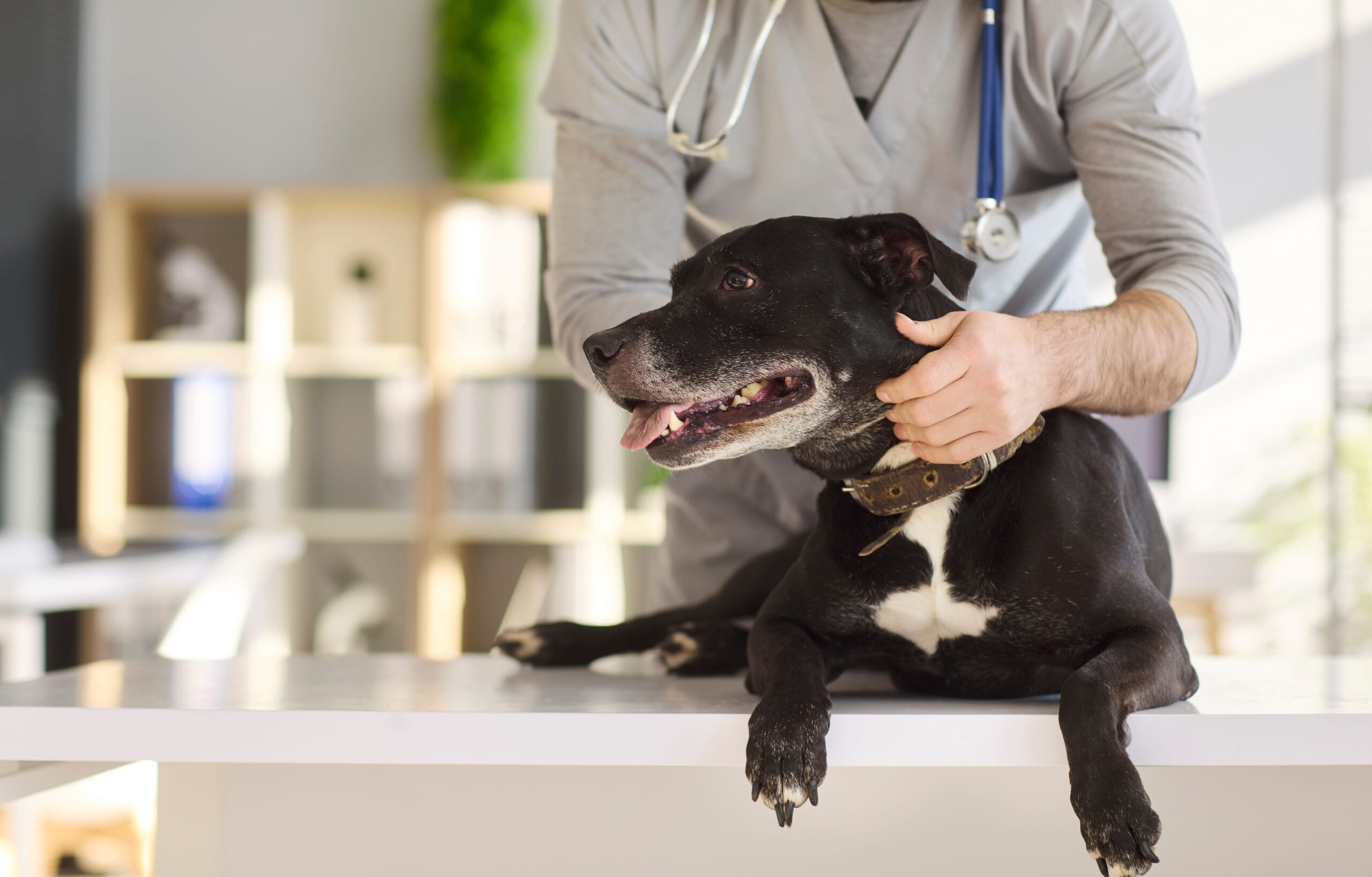
The later years of a pet’s life deserve the same attention and tenderness as the early ones, if not more. At Thistle Veterinary Clinic in Seattle we help aging dogs and cats stay comfortable, active, and happy for as long as possible. Our aging pet care is built on close observation, gentle handling, and honest conversations about what your pet needs now. Older pets rarely tell us when something has changed, a large portion of senior care is noting the subtle changes and acting on them early, before they become emergencies.
FAQs about Specialty Care
What Does Specialty Care Mean at a General Practice Veterinarian?
Here, specialty care refers to the focused support older pets need, including geriatric medicine, pain relief, and end-of-life support, rather than board-certified specialties. As pets age, their needs become more individual, so this is less about a single service and more about attentive, tailored management. Much of our geriatric pet care overlaps with the comfort-focused side of medicine. The aim is to add good years and good days, not simply to treat one problem at a time, and that mindset shapes every recommendation we make for an older pet.
When Is a Pet Considered a Senior?
Most dogs and cats are considered seniors around seven years of age, though large-breed dogs age faster and reach that stage sooner. Size and species matter more than a single number, and a giant breed may be senior by six while a small dog can stayspry well past ten. This is when senior wellness screening becomes especially valuable for catching changes early. Twice-yearly exams and bloodwork help us screen for conditions like kidney disease or arthritis while they are still easy to manage, which often means more comfortable years ahead.
How Does My Pet's Health Needs Change as They Age?
Aging pets are more prone to arthritis, dental disease, kidney disease, and cognitive decline.Metabolism, senses, and mobility all change gradually, and twice-yearly visits help us stay ahead. Older cats in particular are remarkably good at hiding signs of illness until a condition is advanced. That is exactly why we lean on regular screening for seniors rather than waiting for obvious symptoms, since the earliest signs are usually the quietest.
What Is a Quality of Life Assessment?
A quality of life assessment is a structured and objective way to gauge how much your pet still enjoys daily life, taking pain, appetite, mobility, and engagement into consideration. It replaces in-the-moment emotion with a shared, honest framework you and your veterinarian can return to over time. This kind of quality of life care helps families make decisions with clarity rather than fear. We revisit it together over time, so the picture reflects how your pet is doing overall rather than a single hard day or a single good one.
How Is Chronic Pain Managed in Older Pets?
Chronic pain is managed with a multifaceted plan that combines medication, joint support, weight control, and environmental modifications at home. Arthritis is the most common culprit, and no single treatment works alone, so we build a program and adjust it over time. Effective pain management for pets can give an older pet back its comfort and much of its old personality. A typical plan combines several of these:
- Anti-inflammatory or other pain medications
- Joint supplements and therapeutic diets
- Weight management to ease strain on joints
- Home changes like ramps, traction, and soft bedding
What Are the Signs That My Pet Is in Pain?
Pets rarely cry out, so pain more often shows up as subtle changes in behavior and movement. Recognizing these quiet signals early is the heart of good comfort care, because the sooner we notice a change, the sooner we can bring relief. Watch especially for these shifts:
- Hesitating at stairs or struggling to jump up
- Stiffness, limping, or slowing down on walks
- Irritability or withdrawing from the family
- Changes in grooming, appetite, or sleep
Additional Resources on Osteoarthritis Pain.
What Does End-of-Life Care for a Pet Involve?
End-of-life care focuses on keeping your pet comfortable and dignified in their final chapter, whether that lasts weeks or months. It may include palliative care to control pain and nausea, along with practical support for you as a family. When a pet is nearing the end, pet hospice care lets them spend that time at home, surrounded by the people they love. Our focus is on dignity and comfort, easing symptoms and supporting you with honest guidance so these final weeks feel as peaceful as possible for your pet and for you.
How Do I Know When It Might Be Time to Say Goodbye?
There is rarely a single obvious moment that indicates it’s time. We work with you to evaluate pain, appetite, mobility, and the things your pet has always loved to do. Compassionate end-of-life care includes helping you navigate this without pressure and on your pet’s terms. There is no answer we are steering you toward; our job is to give you clear information and steady support while you make the most loving choice for your companion.
How Can I Keep My Aging Pet Comfortable at Home?
Small changes at home can make a meaningful difference for an older pet’s comfort and confidence. Pairing these adjustments with regular check-ins lets us fine-tune care as your pet’s needs shift. A few thoughtful changes around the house often do more for daily comfort than any single treatment:
- Provide orthopedic bedding in warm, quiet spots
- Add rugs or runners so floors are not slippery
- Use ramps or steps to favorite resting spots
- Keep food, water, and litter boxes easy to reach
How Much Does Ongoing Care for a Senior Pet Cost?
Ongoing costs vary with your pet’s health and the level of monitoring and medication they need, so we build a plan that fits your needs and abilities. Because early detection often prevents expensive crises, regular screening can save money over time. Pet insurance can help with many senior diagnostics and treatments, and we will provide the documentation you need to submit claims. We will always talk through options at different price points, so cost never has to stand between your pet and their comfort.
Why Choose Thistle Veterinary Clinic for Specialty Care
Caring for an older pet is as much about trust and communication as it is about medicine, and that is where Thistle is built to help. With over a decade of experience and a calm, methodical style, Dr. Guan meets these tender stages with patience and understanding. Because we keep context between visits, we understand your pet’s history and can guide you gently, one conversation at a time, without ever rushing a decision this important.
- More than a decade of experience with senior patients
- A calm, judgment-free approach to hard conversations
- Continuity of care that remembers your pet’s full history
- Comfort-first planning tailored to each animal
Senior support is woven through the range of care we provide for every stage of life.
Let’s Care for Your Senior Pet Together
Your pet has given you their whole life, and their later years are a chance to return that devotion. When you are ready to arrange senior pet care in Seattle, reach out through our contact page to schedule a consult or ask a question. Together we will make sure your companion’s later years are as comfortable and joyful as every year before.