Spay and Neuter
Spay and Neuter Surgery in Seattle, WA for Dogs and Cats
Deciding when to have your pet spayed or neutered is one of the first major medical decisions a new owner makes, and it deserves more than a date on a calendar. Thistle Veterinary Clinic performs routine spay and neuter surgeries for pets with pre-operative bloodwork, dedicated anesthetic monitoring, and a recovery plan specific to your pet. Dr. Michelle Guan has been doing these procedures for more than eleven years, and she will walk through the timing with you rather than hand you a protocol.
FAQs about Spay and Neuter
What Is the Difference Between a Spay and a Neuter?
A spay removes the reproductive organs of a female animal, and a neuter removes the testicles of a male. Both are done under general anesthesia, and both permanently prevent reproduction.
In females, the standard operation is an ovariohysterectomy during which the ovaries and uterus are removed through a small abdominal incision. It is considered major abdominal surgery and recovery is meant to support that. A cat neuter procedure or dog neuter is generally shorter and less involved., The incision is only skin deep and most patients bounce back faster. The purpose in both cases is the same: end reproductive risk while preventing several hormone-driven diseases from your pet’s future.
At What Age Should My Dog or Cat Have the Procedure?
For cats, we recommend spaying or neutering between 5-6 months of age. For dogs, it depends on breed, projected adult size, sex, and household, and it is worth a conversation. We no longer apply the blanket “6-months” timeline for spaying and neutering. For certain pets, particularly large and giant breed dogs, spaying or neutering before the growth plates close can affect joint development, while waiting lengthens the window for accidental breeding and hormone-driven behavioral and medical problems. Dr. Guan weighs pros and cons on a case by case basis, whether you have a Great Dane or a Chihuahua. Professional guidance on the timing of sterilization by species supports that individualized approach.
What Happens on the Day of Surgery?
Your pet arrives in the morning having fasted overnight, gets a full pre-anesthetic examination, and goes home the same afternoon in almost every case.
The day runs in a set order:
- Physical exam and confirmation that your pet is still a good candidate for anesthesia and surgery.
- Pre-surgical bloodwork if not already done prior to admit
- An IV catheter to ensure safe and timely drug delivery
- Pre-medication, then induction and intubation
- Continuous anesthesia monitoring of heart rate,respiration, blood pressure, oxygen saturation, and temperature by a dedicated team member
- The procedure itself, with local blocks and injectable pain control on board
- Supervised recovery in a warm, quiet space until fully awake
- A discharge conversation with written instructions
You get a phone call once your pet is awake, not just a text at pickup time.
Is Anesthesia Safe for My Pet?
Modern veterinary anesthesia is very safe for a healthy patient, and risk drops further with pre-operative testing and a dedicated team member for monitoring. .
Anesthesia is always taken seriously, regardless of your pet’s health status. Our top priority is to “do no harm”. Bloodwork is thoroughly reviewed beforehand, blood pressure, temperature, oxygen saturation, and carbon dioxide are tracked continuously. Protocols are tailored to your pet’s specific needs, especially seniors, brachycephalic breeds, and pets with ongoing medical conditions. If the workup gives us pause, we stop and talk it through before proceeding.
How Long Does Recovery Take?
Ten to fourteen days is the recommended recovery period for most spay and neuter surgeries. . Most pets feel noticeably better within 48 hours, which is when owners can run into trouble.
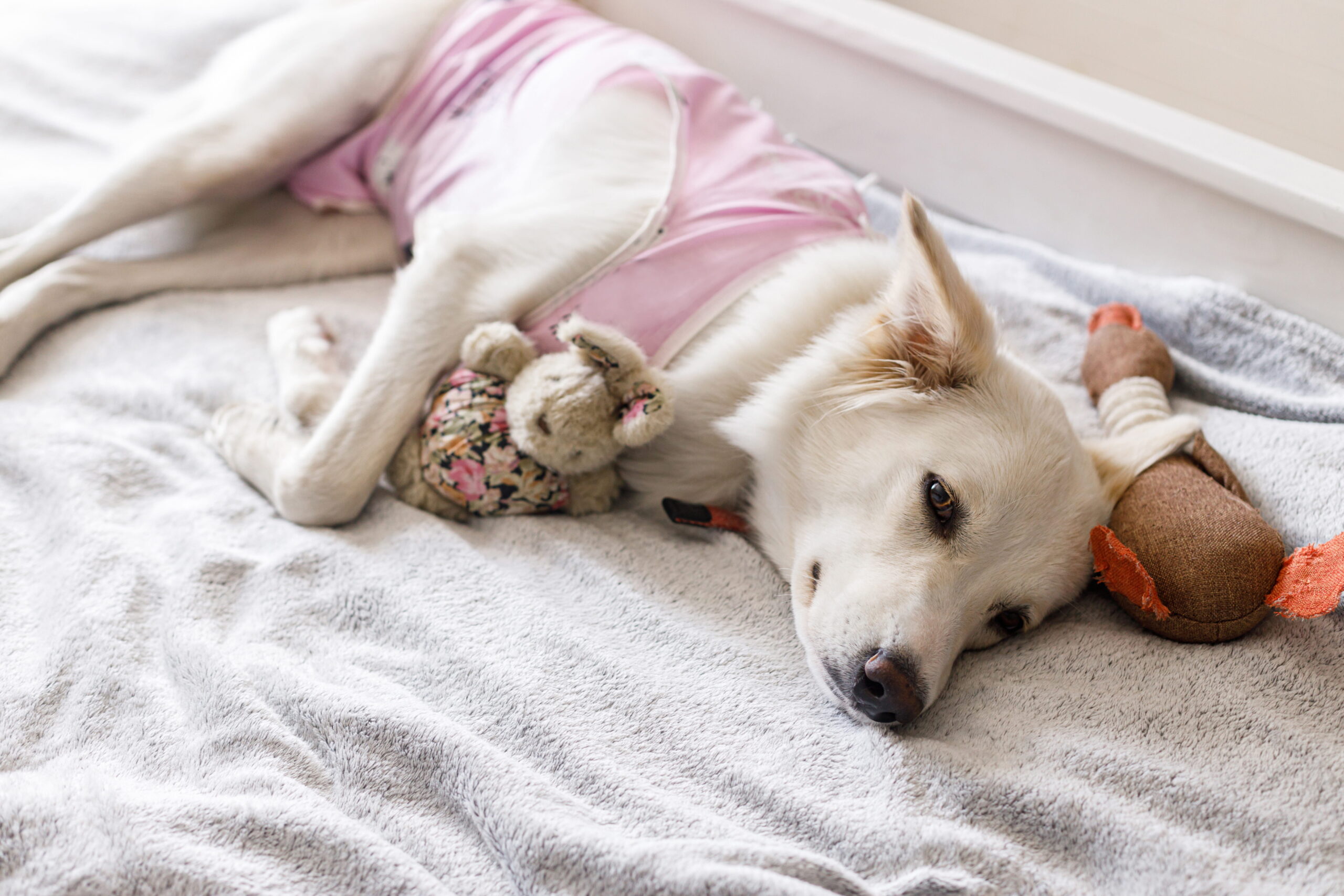
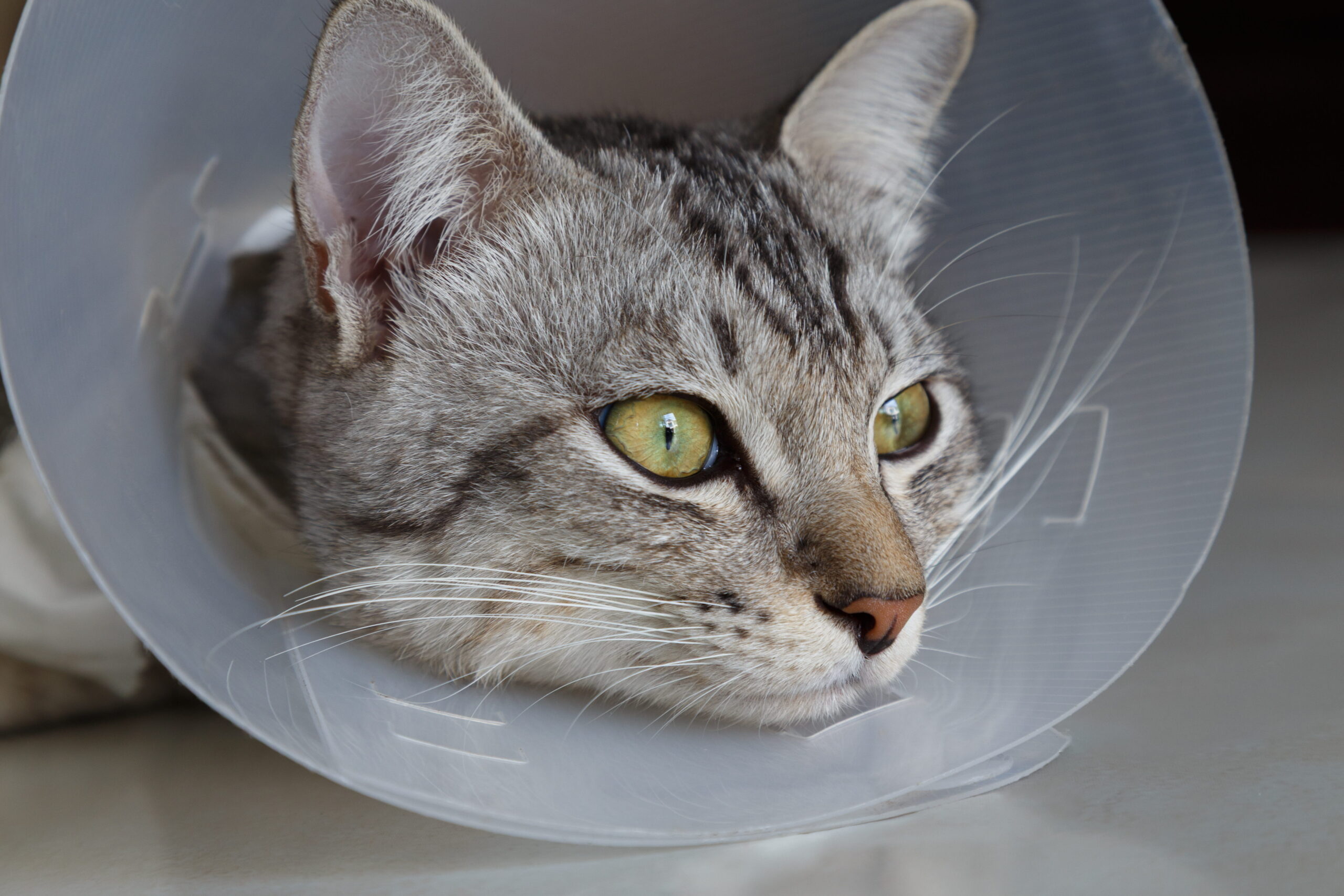
The incision needs that full length of time to heal, even though your pet may feel ready to run on day three. Successful recovery relies heavily on a few important items: short leash walks only, no running, jumping, stairs, or baths, and the cone stays on. Cats need to stay indoors. If your pet is miserable in a hard cone, ask us about softer alternatives.
What Should I Watch for After Surgery?
Call us if you notice significant swelling, discharge, a gap in the incision, persistent vomiting, diarrhea refusal to eat past the first day, or lethargy that worsens instead of improving.
Normal recovery looks like this:
- Grogginess and a reduced appetite in the first 24-48 hours
- A thin, clean, closed incision line with mild bruising or swelling
- Gradual return of energy over three to four days
- A desire to lick or chew at the incision
Photographs of the incision are very helpful if you’re unsure of your pet’s healing progress.
How Much Does the Surgery Cost?
The cost of surgery depends on species, sex, weight, and age, and you will have it in writing before the appointment.
Weight and age are typically the biggest variable, since anesthetic drugs, monitoring time, and surgical time all scale with body size. A spay costs more than a neuter because the procedure is more involved. Most estimates include the pre-anesthetic exam, IV catheter and fluids, anesthesia and monitoring, the surgery, pain medication to go home, and an E-collar. Pet insurance policies typically classify elective surgery for dogs and cats as a wellness item rather than an illness claim, so check your plan’s wellness benefit. Low-cost clinic options exist, and we will tell you honestly when that is a reasonable route.
What Health Benefits Come with Sterilization?
Sterilized dogs and cats live longer on average, surgery can eliminate risks for certain diseases and/or behavioral concerns.
- Significantly reduces risk of pyometra, a life-threatening uterine infection
- Significantly reduces risk for mammary tumor development, especially when the procedure is performed early in life
- Eliminates the risk of testicular cancer and prostate enlargement
- Reduces risk of roaming, marking, and some intermale aggression
- Eliminates heat cycles, howling, and accidental litters year
We will not oversell the behavior side. This surgery reliably reduces hormone-driven behaviors. It does not fix anxiety, reactivity, or training gaps.
Will My Pet's Personality or Weight Change?
Personality generally stays the same, though you may notice them being more “calm” after the surgery. Spayed and neutered pets are more prone to weight gain, because removing sex hormones lowers your pet’s resting calorie needs. Weight management is always part of the conversation in surgery planning.Your dog will still be your dog: same quirks, same greeting at the door, same opinions about the mail carrier.
Can Other Procedures Be Combined Under the Same Anesthesia?
Some procedures can be performed in the same anesthetic event as a spay or neuter. These include extraction of retained baby teeth, a small skin mass removal, dewclaw removal when indicated, or a preventive gastropexy for an at-risk large breed.We plan these in advance and account for them in the estimate and anesthetic protocol. Our surgical services page covers the full range of elective procedures we handle in house.
Why Choose Thistle Veterinary Clinic for Spay and Neuter Surgery
Because one experienced veterinarian performs the procedure, supervises the recovery, and sees your pet at every visit afterward.
- Dr. Michelle Guan is the owner and sole veterinarian, with post graduate internship training and eleven-plus years in small animal private practice
- A dedicated team member monitors anesthesia continuously, no split attention
- Pre-anesthetic bloodwork is standard, with same-day or next-day results.
- Multimodal pain control, including local blocks and post-operative pain medication
- Fear Free and Feline Friendly handling from drop-off through discharge
- Licensed technician Mari brings an emergency medicine background into the surgical suite
Schedule Your Pet’s Surgery with Thistle
If you are unsure of the timing of your pet’s surgery, we are here to provide answers and guidance. Thistle Veterinary Clinic serves pet owners in Seattle, WA from our office just north of Belltown. Reach out to our front desk or call 206-737-1002 to book a pre-surgical consultation and get a written estimate.